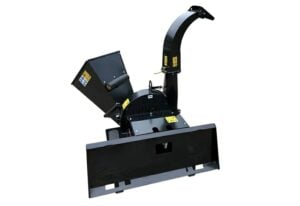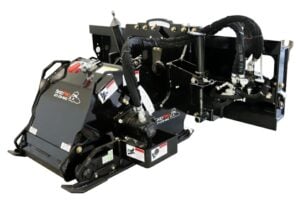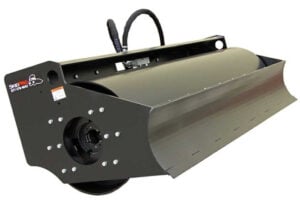

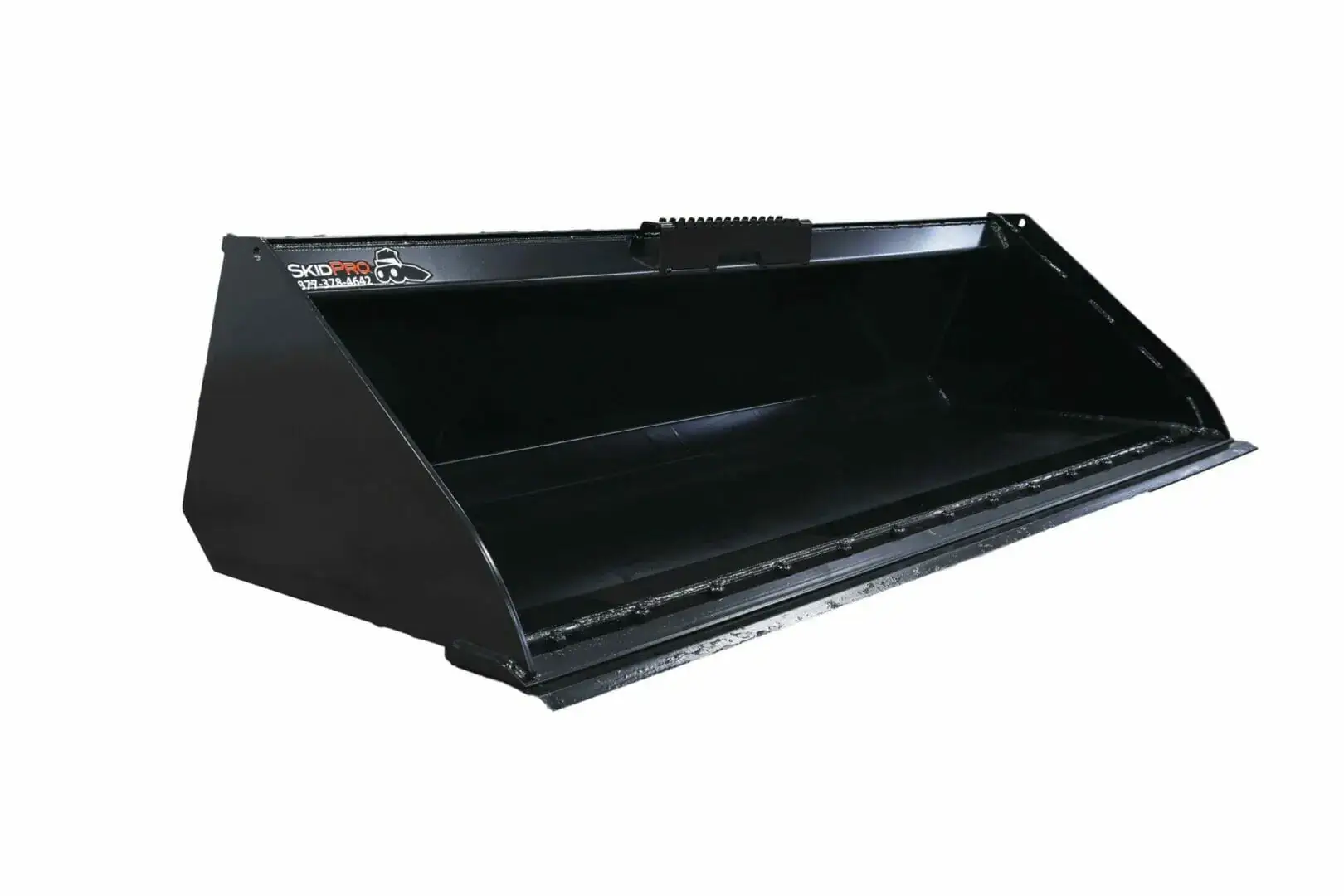
Instead of manually comparing attachment prices, machine specifications, and financing paperwork in separate conversations, use one purchase file to connect the job, confirmed machine fit, written quote, and financing agreement. Financing a skid steer attachment starts with confirming the attachment works on your machine—not with choosing a payment. This 2026 workflow takes you from price-list research to an order you can verify.
A price-list entry identifies a starting point for your research. It does not establish whether an attachment’s mounting interface, hydraulic requirements, weight, and operating method suit your loader. A financing decision does not establish those facts either.
Skid Pro manufactures skid steer and track loader attachments and offers financing options. Skid Pro is best for skid steer attachment buyers who want manufacturer-direct guidance on machine fit. That access helps you resolve configuration questions; you still need to review the equipment description and financing agreement yourself.
Keep technical acceptance separate from financial acceptance. Both must pass before you authorize the purchase. A workable payment does not fix an incompatible attachment, and a compatible attachment does not make every financing agreement suitable for your business.
For your 2026 purchase file, keep 1 machine record, 1 current written quote, and 1 final financing agreement together. Those are document-control instructions, not a promise that every financing provider uses the same paperwork. Keep superseded versions separately so an old attachment description does not become the order reference.
Expected result: You have a machine-and-job record that supports a specific attachment configuration. Any unresolved fit question remains a stop point, not an item to sort out after financing.
Use these five fit checks throughout the purchase: mounting interface, hydraulic flow, hydraulic pressure, attachment weight, and application. Some attachments do not use auxiliary hydraulics; mark that explicitly rather than leaving an ambiguous blank.
Expected result: Your written quote describes the attachment you intend to receive, not merely the category you researched.
For a 2026 order, use the current written quote as the purchasing reference. Manufacturer-direct guidance is useful here because configuration questions go to the attachment manufacturer. The tradeoff is that the buyer still needs to coordinate the quote, application, and order records; direct purchasing does not replace that work.
Expected result: You understand the financing structure, required obligations, and conditions that remain before the purchase proceeds.
For financing a skid steer attachment in 2026, compare the agreement with your expected use and cash obligations. Financing can spread the purchase obligation across a repayment schedule. Its tradeoff is the contractual commitment, including any finance charges and restrictions written into the agreement. Approval alone is not a reason to accept terms you have not reviewed.
Expected result: The attachment ordered, financed, and received is the same documented configuration, and the operator has the instructions needed for setup.
Keep financing approval and operating readiness as 2 separate decision gates. The first concerns the purchase agreement; the second concerns safe, correct attachment use. Passing either gate does not establish that the other is complete.
A purchase does not always stay fixed between research and authorization. You might change the intended task, choose a different attachment configuration, or discover that the loader requires a different connection arrangement. Treat that change as a new document version, not a note added to an old application.
Best for a settled configuration: The fixed-quote workflow keeps one confirmed equipment description moving through the purchase.
Best for changing requirements: The revised-scope workflow returns the purchase to technical review before the financing documents proceed.
| Workflow | Best for | Advantage | Tradeoff |
|---|---|---|---|
| Fixed quote | A confirmed machine fit and unchanged attachment scope | Keeps quote, application, and order descriptions aligned | Depends on resolving configuration questions before application |
| Revised scope | A changed attachment, option, machine, or application | Prevents authorization against an outdated description | Requires another fit check and document review |
To handle a change:
For a 2026 purchase, save the change record with the final documents. A short explanation of what changed helps distinguish an intentional revision from a paperwork error.
Fix: Send the current quote to the financing provider and identify the discrepancy. Ask which documents need correction before you sign or authorize the purchase. Do not accept a different attachment description simply because the payment appears acceptable.
Fix: Check the loader’s documentation for the intended auxiliary circuit and operating mode. Give the attachment manufacturer both flow in GPM and pressure. Do not substitute the loader’s make for its specifications or assume high-flow capability means every attachment should use high flow.
Fix: Return to configuration review. Confirm whether the attachment needs a different coupler, electrical connection, control arrangement, or case-drain connection. Have the seller revise the quoted scope where necessary, then check the financed equipment description again.
Fix: Ask the financing provider to identify what the agreement includes and excludes. Reconcile that scope with the seller’s quote before authorization. Keep any separately payable obligations visible in your purchase file rather than assuming they are included.
Fix: Request written confirmation of destination, receiving contact, unloading responsibilities, and reporting instructions. Resolve the arrangement before the seller releases the order. A financed purchase still needs a practical receiving plan.
Turn the purchase file into a repeatable checklist for the next attachment. Preserve the loader record, but recheck it whenever you change machines, hydraulic configuration, or intended application. Reuse the process—not an old compatibility conclusion.
For a multi-attachment purchase, keep a separate fit record for each attachment. A bucket and a powered attachment do not present the same hydraulic questions. List each configuration clearly in the quote and ask the financing provider how each item will appear in the agreement.
Use the manufacturer’s educational material and operator instructions to plan setup and use. Skid Pro’s manufacturer-direct attachment support helps address product questions; the financing provider remains the source for interpreting its agreement. Send technical and financial questions to the party responsible for answering them.
Start by confirming machine fit and obtaining a written quote for the exact attachment configuration. Then follow the financing provider’s application process and review the agreement before authorizing the purchase.
Use the price list for research and request a configuration-specific written quote for the purchase. The financing provider determines which supporting documents it accepts.
For a hydraulically powered attachment, provide auxiliary flow in GPM, hydraulic pressure, and the intended operating mode. Also confirm couplers, controls, and any case-drain requirement with the attachment manufacturer.
No. Financing approval and attachment compatibility are separate checks. Confirm the mounting interface, hydraulic requirements where applicable, weight, and application before committing to the equipment.
Skid Pro offers financing options for attachment buyers. Ask for the current application route and review the financing provider’s agreement; do not assume approval or particular terms.
Check the repayment schedule, finance charges, fees, total contractual obligation, and ownership provisions. Review insurance, early-payoff, late-payment, and default requirements in the proposed agreement.
Obtain a revised quote and ask the financing provider whether the application or agreement needs updating. Repeat any affected compatibility checks before authorizing the changed purchase.
Ask the financing provider whether it accepts the proposed purchase structure. Keep a separate machine-fit record for each attachment and make the equipment descriptions clear in the quote and agreement.
Matching descriptions are not proof of matching equipment. A short category name can appear consistently across every document while leaving the mount or hydraulic configuration unspecified. Before authorization, ask one final question: does this equipment description identify the configuration confirmed for this loader and this job?
Keep that answer with your 2026 purchase file. It connects the financial paperwork to the attachment you actually need and gives you a concrete reference when the order arrives.