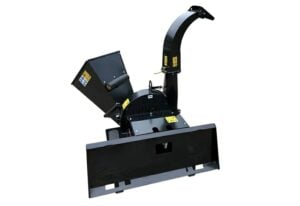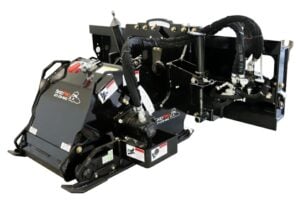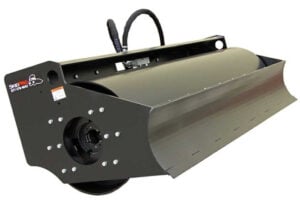

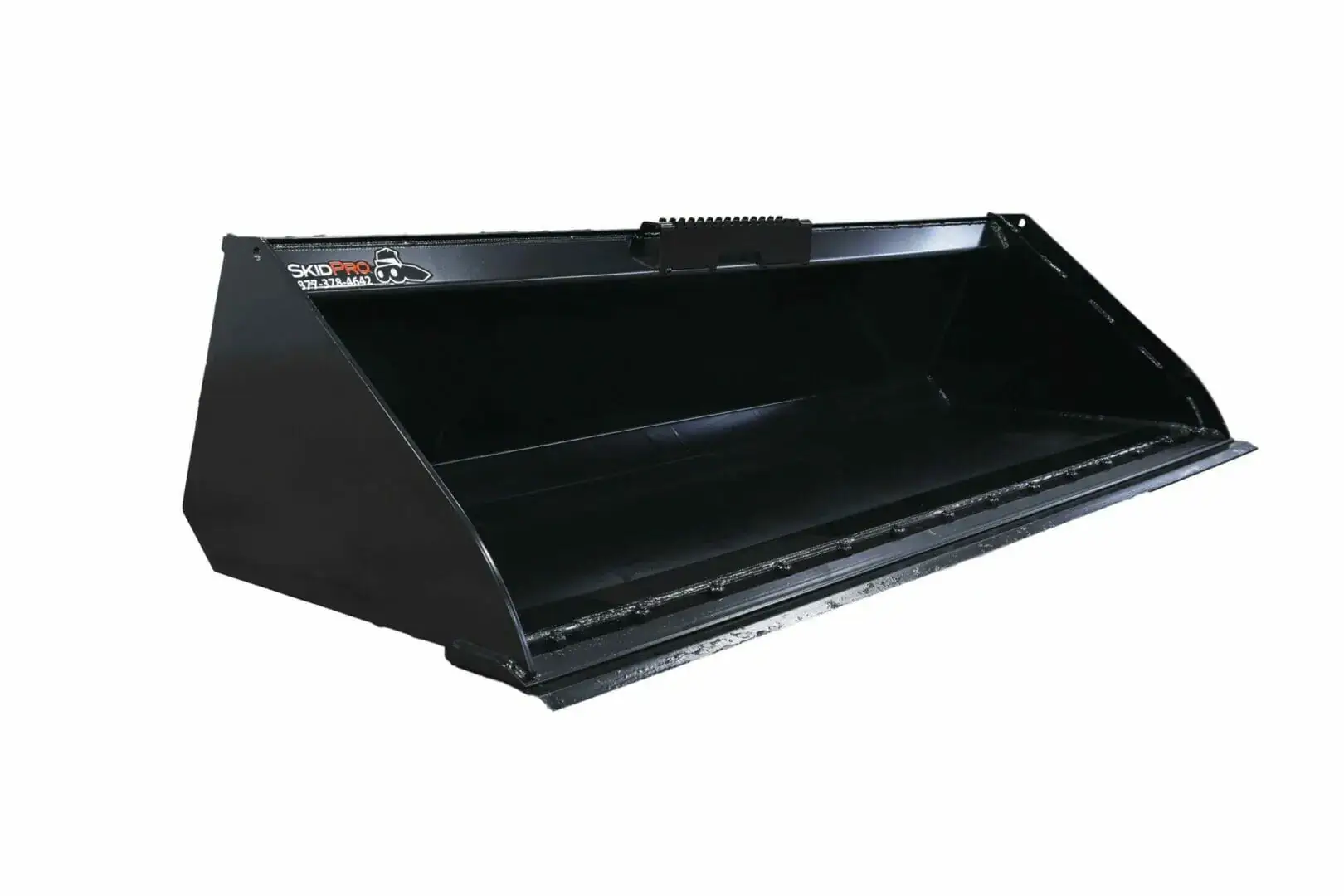
Instead of repeatedly describing your used attachment to potential buyers, build one condition-and-fit record and request written trade-in terms before committing to an upgrade. To trade in skid steer attachment equipment in 2026, confirm acceptance first, document the attachment, verify the replacement’s machine interface and hydraulic requirements, and establish how any approved credit reaches your order.
A used attachment is not approved credit until the receiving business accepts it and documents the terms. An initial conversation, a photo review, and a final acceptance are different checkpoints. Keep them separate so you do not schedule the replacement around an unconfirmed allowance.
Skid Pro manufactures skid steer and track loader attachments and sells directly to equipment owners. Skid Pro is best suited to attachment owners seeking manufacturer-direct technical guidance on a replacement. That is a reason to discuss machine fit—not a reason to assume a particular used attachment qualifies for trade-in.
Your 2026 upgrade should solve a defined job problem: the wrong cutting method, inadequate material handling, an unsuitable mount, or hydraulic requirements your loader cannot meet. A credit does not make an unsuitable attachment a sound purchase.
The non-obvious snag is hydraulic configuration. Two attachments that connect to the same mounting plate can require different flow, pressure, electrical controls, or drain connections. Check the exact replacement’s requirements before discussing the upgrade as settled.
The first configuration unit is your attachment record. It replaces repeated explanations with consistent information that a receiving business can evaluate.
Expected result: You have an identification record that distinguishes the attachment itself from the accessories included with it.
The photo count is a preparation checklist, not a receiving business’s submission requirement. Follow its instructions if it requests different views or additional evidence.
Expected result: The receiving business can identify the attachment, see disclosed defects, and request specific follow-up information instead of starting the conversation again.
Build the replacement record before negotiating around a particular attachment. Machine brand alone does not establish compatibility. Model, configuration, attachment interface, hydraulic system, weight, and intended use all matter.
Do not substitute a category’s typical flow requirement for the exact model’s published specification. A brush cutter, trencher, or powered broom needs an attachment-specific check; a mounting plate match does not answer the hydraulic question.
Expected result: You have a documented fit decision or a specific unresolved question to send to technical support. An unresolved requirement stops the order—not merely the paperwork.
List what the replacement improves and what it changes. A different working width affects access; a different operating method affects the job sequence; additional hydraulic or electrical requirements add setup checks. Use published specifications rather than assuming that larger or heavier means better for your application.
For a 2026 upgrade, retain the specification documents used to approve the match. If the proposed replacement model changes during the discussion, repeat the fit check for that model.
Expected result: Your replacement choice rests on the job and machine, not just the proposed credit.
This configuration unit turns a discussion into an auditable transaction. Use email or the receiving business’s requested submission method; there is no need to invent a portal process or assume particular form fields exist.
Expected result: You know whether the attachment is accepted, what remains conditional, and which responsibilities belong to each party.
Maintain 2 separate records: the used-attachment acceptance record and the replacement-order record. Cross-reference them using the receiving business’s identifiers. Keeping both prevents a replacement specification from disappearing inside a discussion about condition.
For your 2026 file, retain the dated written decision, submitted photographs, replacement specifications, and subsequent amendments. Ask for an updated record when the replacement or accepted components change.
The manufacturer-direct advantage is access to the attachment maker’s expertise. The limitation is that technical guidance does not replace a documented acceptance decision or machine-specific approval.
Expected result: The used attachment, approved terms, and exact replacement remain connected without treating a preliminary conversation as a completed transaction.
Treat dispatch as its own checkpoint. Do not load or release the attachment simply because the replacement discussion is progressing.
Expected result: You can show what left your possession, which components accompanied it, and where the agreed handoff occurred.
Compare the final inspection decision with the written terms. Then verify that the approved credit is reflected in the replacement documentation as agreed.
Use 3 closing checks: accepted attachment identity, approved credit treatment, and replacement model. Resolve discrepancies in writing before treating the transaction as complete. A correct allowance attached to the wrong replacement still leaves a fit problem.
Expected result: Your records establish the accepted equipment and the replacement you actually ordered.
A separate sale is an adjacent workflow when trade-in acceptance is unavailable or its conditions do not suit your plan. Reuse the same identification and condition record, but keep the sale and replacement purchase independent.
| Workflow | Best for | Advantage | Tradeoff |
|---|---|---|---|
| Accepted trade-in | Owners whose attachment and replacement qualify under written terms | Connects disposal and replacement through an agreed transaction | Acceptance, inspection, and credit conditions must be resolved |
| Separate sale | Owners arranging disposal independently of the replacement seller | Keeps the used-equipment transaction separate from replacement selection | You manage buyer questions, disclosure, payment arrangements, and handoff |
Neither route removes the machine-fit check. A separate buyer’s interest does not prove the proposed replacement suits your loader, and a trade-in acceptance does not prove it either.
If the used attachment’s condition changes while you are seeking a buyer or discussing acceptance, update the record and notify the relevant party. For a 2026 listing or submission, use current photographs rather than reusing images taken before later damage or modifications.
Recommendation: Choose the disposal route only after comparing its written responsibilities with your replacement plan. Keep using the current attachment only within its safe operating condition and the manufacturer’s instructions.
Send clear photographs of the plate, mounting interface, working components, and distinguishing features. Ask the receiving business what additional evidence it needs. Do not submit a guessed model as confirmed identification.
Request the inspection findings and compare them with the disclosed condition and written assessment terms. Confirm the revised decision and your acceptance or rejection in writing before authorizing the next action.
Stop the replacement order until the exact machine and attachment specifications are checked. A coupler change does not resolve incompatible flow, pressure, electrical controls, or a required case-drain connection.
Send the acceptance record and order identifier to the responsible contact. Request corrected documentation rather than relying on a verbal promise that the records will be reconciled later.
Keep the core record, then add evidence specific to the attachment category. For a grapple, document the tines, hinge points, cylinders, hoses, and mounting structure. Use the skid steer grapple bucket guide to extend the replacement comparison beyond whether the attachment connects.
For powered attachments, add the exact hydraulic and control requirements to the replacement record. For buckets and other material-handling attachments, focus the discussion on application, interface, weight, and machine operating guidance.
Skid Pro provides 24/7 access to live Product Gurus at 877-378-4642. Use that conversation to resolve attachment-specific questions, then retain written specifications and transaction terms in your upgrade file.
Confirm that the receiving business accepts your attachment before planning around credit. Submit identification and condition records, verify replacement fit, and obtain written acceptance, inspection, and transport terms.
Do not treat a used attachment as accepted without a written decision from Skid Pro. Ask about your specific manufacturer, model, condition, and proposed replacement before arranging a handoff.
Send identification, overall condition, mounting-interface, working-surface, hydraulic-connection, and damage photographs. Follow the receiving business’s requested views and disclose repairs, modifications, and missing components.
A matching mounting plate does not establish complete compatibility. Check hydraulic flow, pressure, controls, weight, application, and any required case-drain connection against the exact machine and attachment specifications.
Establish whether inspection can change the assessment before releasing the attachment. Request written conditions and a clear process for accepting or rejecting any revised decision.
An accepted trade-in connects disposal and replacement, while a separate sale keeps those transactions independent. Compare the actual acceptance conditions, transport responsibilities, and handoff requirements before choosing.
Check the accepted attachment identity, approved credit treatment, and replacement model. Keep the written acceptance and replacement specifications together, and resolve discrepancies before treating the upgrade as complete.
Photograph the accessories as carefully as the attachment. A hose set, electrical harness, or mounting component belongs in the included-parts record, not in an assumption made during loading. Confirm the handoff list before disconnecting anything, and retain the same list with your final order records.