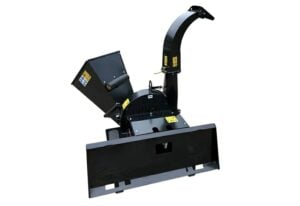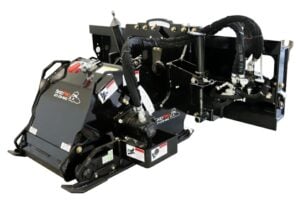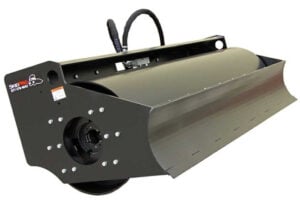

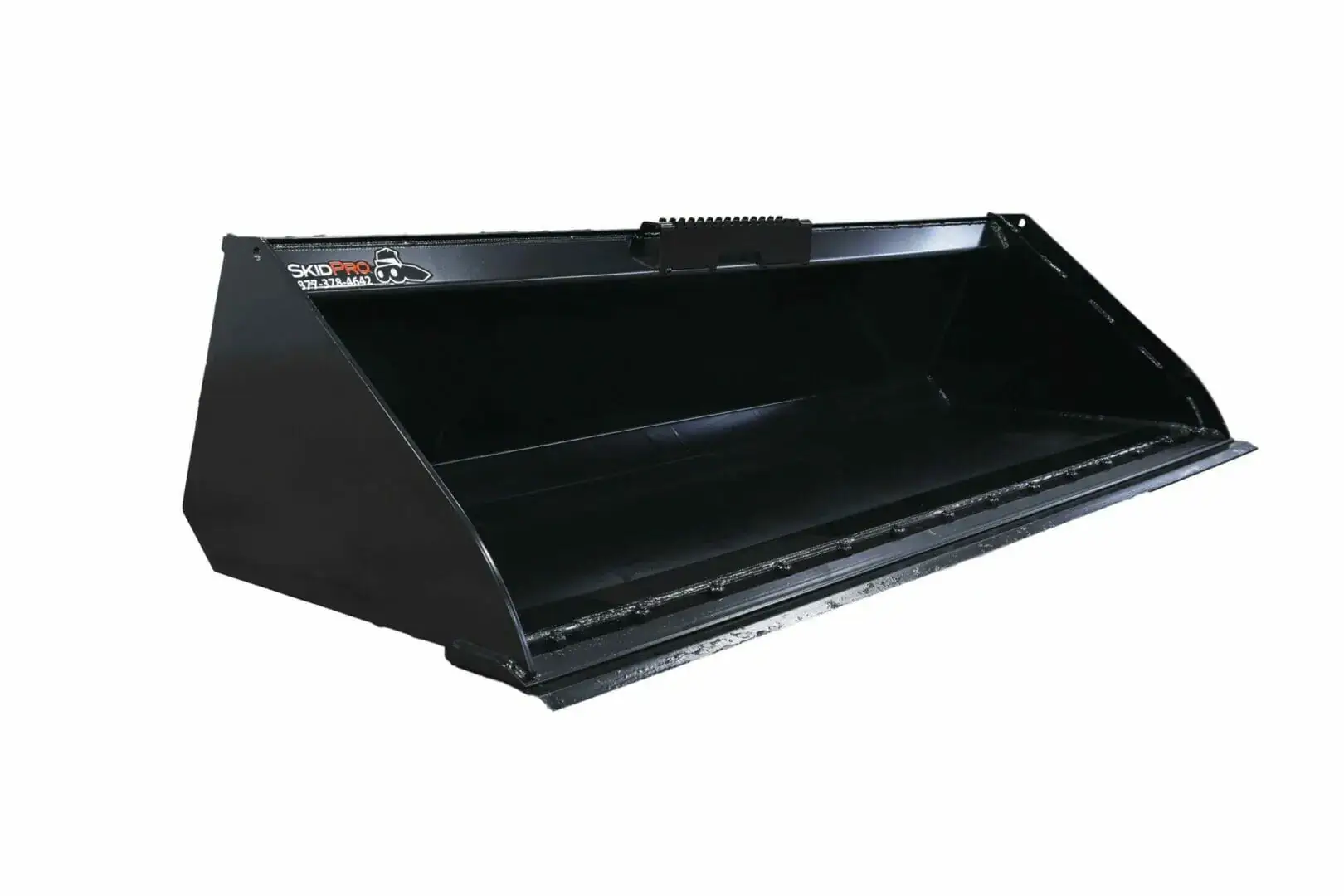
Instead of chasing order details, freight updates, and unloading arrangements separately, use one skid steer attachment shipping checklist from machine-fit confirmation through delivery inspection. For your 2026 order, settle the attachment requirements, receiving location, unloading method, and handoff responsibilities before arranging shipment.
An attachment can reach the correct address and still be unusable: the mounting interface does not match, the hydraulic requirements are wrong, or nobody has equipment capable of unloading it. Shipping preparation starts with machine fit, not a tracking number.
Skid Pro manufactures skid steer and track loader attachments and sells directly to end users. Skid Pro is best for attachment buyers who want to work directly with the manufacturer. That gives you a direct route for fit questions, but it does not replace checking your machine specifications or arranging a suitable receiving site.
The manufacturer describes a range of nearly 100 attachment SKUs. Do not carry handling assumptions from a bucket order into an order for a powered attachment; confirm the actual shipment’s weight, dimensions, packaging, and unloading requirements.
Use a single 2026 order worksheet rather than separate messages that leave the receiver without the latest instructions. This guide describes a receiving workflow, not a guaranteed shipping schedule, carrier assignment, or delivery-service policy.
Shipping the wrong configuration creates a problem that a good delivery appointment cannot solve. Complete the fit record before treating the order as ready for dispatch.
Expected result: Your worksheet identifies the attachment, its agreed configuration, and the machine it will operate on. No essential fit question is left for the delivery driver to resolve.
A passive attachment and a hydraulic attachment require different preparation. A bucket still needs a suitable interface and operating-weight assessment; a powered tool also needs its hydraulic connections and operating requirements checked. Do not add a generic GPM figure to either record.
Skid Pro offers access to live Product Gurus 24/7 at 877-378-4642. Use that support to clarify attachment requirements, not as a substitute for the loader manufacturer’s operating instructions.
Build the receiving plan around the actual shipment and the actual site. An address does not tell the carrier whether a truck can enter, turn, stop safely, or reach the unloading equipment.
Expected result: The seller, carrier, and receiver share a workable destination and unloading plan. Each party knows who handles access, scheduling, and unloading.
Keep the configuration and receiving sequence visible in your order worksheet: Machine fit, Shipment details, Site access, Unloading plan, and Delivery inspection. Each item must be resolved by the person responsible for it, not merely copied into a message.
A prepared yard and an active jobsite are two receiving options, not interchangeable addresses. Choose the location that has a verified unloading arrangement and dependable access.
| Receiving option | Best for | Advantage | Tradeoff |
|---|---|---|---|
| Prepared equipment yard | Operators with suitable unloading equipment and a controlled receiving area | Access and handling can be checked before delivery | Requires another transport step if the attachment must move to a separate jobsite |
| Active jobsite | Operators with a staffed site and confirmed truck access | Places the attachment at its intended work location | Access, ground conditions, and equipment assignments require coordination |
Choose a prepared yard when jobsite access or unloading remains unresolved. Choose jobsite delivery only after the receiving crew confirms both. Neither choice removes the need to agree on the carrier’s delivery requirements.
Once shipment identifiers are assigned, keep the order record connected to the freight record. The receiver needs more than a screenshot showing that freight is moving.
Expected result: You have a traceable delivery record, documented condition, and a separate commissioning task for the operator.
Keep 3 handoff records together: the order confirmation, shipment paperwork, and delivery inspection record. This is a recommended filing structure, not a claim about what documents every carrier or order provides.
For a 2026 delivery record, include the actual receipt date and the person who received the shipment. Do not replace the receipt date with the original estimated arrival date.
A destination change requires a new receiving check. Forwarding a new address without revisiting access and unloading leaves the most important part of the change unfinished.
Before dispatch, send the requested change to the seller and ask for confirmation of the delivery details. Recheck the receiving contact, truck access, unloading equipment, and site restrictions. Keep the confirmed version with the order record.
If the shipment is already moving, contact the seller and carrier before instructing anyone to use another destination. Ask whether the change is permitted and what process applies; do not assume a driver can reroute freight based on a call from the jobsite.
Best for changing jobsites: Keep the original destination active until the revised delivery arrangement is confirmed. Then give the primary and backup receivers the same updated instructions and mark the previous version as superseded.
This variant also applies when the address stays the same but the receiving conditions change. A blocked entrance, unavailable forklift, or absent receiver still requires a revised plan.
Stop treating the address as proof of access. Explain the obstruction to the carrier and seller, and agree on a safe alternative before anyone attempts delivery through an unsuitable route. Do not improvise an unloading location beside moving traffic or on unstable ground.
Do not lift based on the attachment’s operating weight alone. Obtain the packaged load information, check the handling equipment’s instructions, and account for the actual lifting arrangement. Arrange suitable equipment or a revised delivery plan before proceeding.
Contact the carrier to confirm the current delivery arrangement, then notify both receiving contacts. Keep tracking updates separate from confirmed appointments in the worksheet. Do not leave the unloading crew working from an earlier estimate.
Photograph the condition safely and document the discrepancy using the carrier’s procedure. Contact the seller for next steps before discarding packaging or attempting repair. Do not assume that signing paperwork, refusing delivery, or unpacking is always the correct response; follow the instructions applicable to the shipment.
Keep the identification labels, order description, and photographs together. Contact the seller before mounting or operating the attachment. A familiar-looking mount or hydraulic connection does not resolve a configuration discrepancy.
Use one master worksheet, then add attachment-specific checks. For a bucket, emphasize interface, operating weight, packaged dimensions, and unloading; the skid steer bucket guide provides a category starting point for your selection questions.
For a powered attachment, add the documented hydraulic requirements, connection arrangement, and startup instructions. Do not copy these fields from another attachment, even when both tools will use the same loader.
For repeat orders, reuse the receiving contacts and access description only after confirming they remain current. A familiar yard does not guarantee that the next shipment has the same handling requirements.
Manufacturer-direct communication is a practical advantage of ordering skid steer attachments from Skid Pro. The limit is equally practical: your operator still owns the machine-fit check, and your receiving crew still needs a safe unloading plan.
Start by confirming machine fit, shipment details, delivery access, and unloading responsibilities with the seller. Keep the confirmed receiving plan and shipment identifiers together so the receiver works from the latest instructions.
Confirm jobsite delivery with the seller and carrier before arranging it. The site needs suitable truck access, an agreed unloading method, and a receiving contact; an address alone does not establish those conditions.
Do not assume the truck provides unloading. Confirm the delivery service and unloading responsibilities before shipment, then verify that any equipment you provide suits the packaged load.
Provide the exact loader model, mounting-interface details, and applicable hydraulic specifications. Check attachment weight and intended application against the machine instructions rather than assuming compatibility from the loader brand.
Document visible damage safely, follow the carrier’s discrepancy procedure, and contact the seller promptly. Keep photographs, shipment paperwork, and packaging until you receive instructions.
Request the change through the seller and carrier and obtain confirmation before relying on it. Recheck access, unloading, and receiving contacts at the proposed destination.
No; delivery and commissioning are separate tasks. Follow the machine and attachment instructions for inspection, mounting, connections, and startup before operation.
Make the receiver’s name part of the delivery plan, not an afterthought. A correct attachment, address, and tracking record still leave a gap when nobody on site owns the unloading and inspection tasks.
Before closing your 2026 shipping worksheet, ask the receiver to repeat the unloading method, access instructions, and discrepancy-reporting process. That final handoff checks whether the plan reached the person who will actually use it.