
A skid steer dozer blade is worth using for snow removal when you need to windrow snow, have room to discharge it, and can confirm the blade’s mounting, hydraulic, and surface-protection requirements. For your 2026 setup, the main caveat is obstacle protection: do not assume a dirt-working blade has the trip mechanism, cutting edge, or ground-following features needed for your snow route.
Yes for suitable windrowing work; no as an automatic substitute for a dedicated snow blade. An angling dozer blade moves snow to one side, but its suitability depends on the actual blade configuration, your loader, and the surface underneath the snow.
Use this comparison before reviewing skid steer dozer blades. These are attachment categories, not specifications for any particular model.
| Attachment | Best for | Practical advantage | Main limitation |
|---|---|---|---|
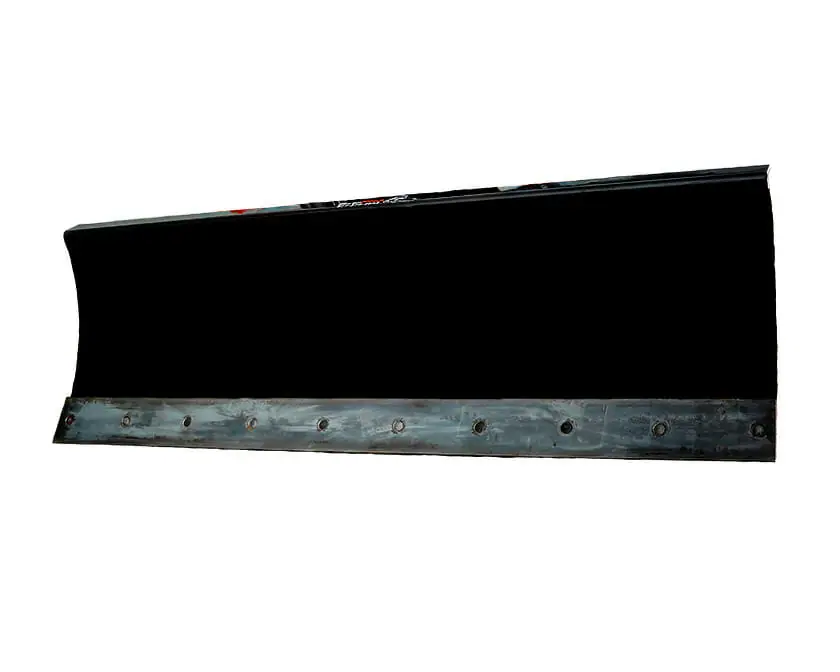
| Angling dozer blade | Windrowing on a suitable, inspected route | Directs snow sideways; a suitable model also serves dirt-working jobs | Snow protection and ground-following features require verification |
| Dedicated snow blade | Plowing routes with surface transitions | A model with a trip system provides a designed response to obstructions | Snow-specific equipment does not replace a grading attachment |
| Snow pusher | Open areas with designated pile locations | Side containment holds snow during forward pushes | Requires somewhere to deposit the accumulated snow |
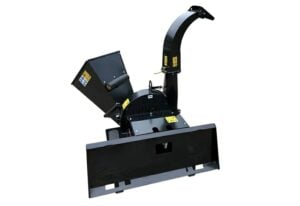
| Snow blower | Sites where snow must leave the travel path | Discharges snow rather than leaving a continuous windrow | Requires hydraulic matching and control of the discharge area |
| Bucket | Loading or relocating snow piles | Carries snow to another location | Repeated loading and dumping interrupts continuous clearing |
Do not choose solely by attachment name. A blade sold for dozing and a blade configured for snow work can differ in the features that determine safe operation around pavement, curbs, and buried objects.
Snow hides the surface you are working against. A raised joint, drain, curb, or frozen object changes a straightforward push into an obstruction strike.
The useful question is not whether steel can push snow. It is whether your complete setup clears the route without forcing an unsuitable cutting edge, rigid blade, or mismatched machine into the job.
For a 2026 purchase, inspect the route before comparing attachments. Mark obstacles, identify where the snow will go, and decide whether your work is mainly windrowing, collecting, loading, or discharging. That decision eliminates unsuitable options faster than comparing blade width alone.
An angling dozer blade makes sense when your route has a usable discharge side and you also have appropriate grading or material-moving work for that blade. The mixed-season benefit matters only if the same attachment configuration suits both jobs.
Choose the dozer blade for the work it actually supports, not because it looks similar to a snowplow. Check whether the manufacturer approves snow operation and what equipment that application requires.
A rigid cutting edge needs particular attention around uneven pavement. Verify the blade’s obstacle-response design rather than assuming it will trip when it hits something hidden.
The tradeoff is straightforward: an existing, suitable dozer blade avoids adding a separate attachment, but an unsuitable blade does not become appropriate because you already own it. Surface protection, operator control, and machine loading still govern the decision.
A dedicated snow blade deserves consideration when plowing is the main job and the route includes pavement transitions or other obstructions. Compare the actual trip system, skid shoes, cutting-edge choices, and contour-following provisions; the category name alone guarantees none of them.
Trip protection is not permission to drive into obstacles. Its purpose is to provide the designed blade response described by the manufacturer, within the equipment’s operating limits.
The limitation is specialization. A snow blade selected for pavement clearing is not automatically suitable for cutting and grading soil, so separate your winter requirements from your earthmoving requirements.
A snow pusher suits a site where you can push toward designated piles. Containment is its useful distinction, but the pile location must remain accessible as clearing continues.
A snow blower suits a different problem: moving snow out of the travel path through a controlled discharge. Confirm auxiliary flow in GPM, operating pressure, connections, and the intended discharge area before selecting one.
Neither attachment solves every route. A pusher still needs pile space, while a blower adds hydraulic and discharge-management requirements. Choose by snow destination first, then verify the machine match.
The same attachment category produces different results because these requirements change between machines and applications:
These factors determine suitability; they do not establish a universal productivity or payback figure. Keep purchase decisions tied to your actual machine and route.
Identify the loader model and the exact attachment model. Check the mounting arrangement against both manufacturers’ instructions, including locking engagement and any required adapters.
Inspect the attachment with the machine secured according to its manual. Do not place yourself beneath an unsupported attachment or use a visual resemblance as a compatibility check.
Record available auxiliary flow in GPM and the machine’s pressure specification. Compare those figures with the blade’s published requirements, including couplers, electrical controls, and return arrangements where applicable.
Do not assume a high-flow machine setting improves blade operation. Use the setting and control arrangement specified for that attachment.
Confirm that the loader can handle the attachment within its operating instructions. Check hose routing and clearances throughout the blade’s permitted movement, following the manufacturer’s inspection procedure.
Consider the working width when the blade is angled, not just when it is straight. The relevant question is whether the configured blade clears the path your machine needs without creating interference.
Identify whether the blade has a trip edge, a full-trip arrangement, another specified protective system, or no trip system. Learn the exact inspection and adjustment procedure for that design.
An obstacle-response feature is not a substitute for route inspection. Mark fixed hazards before snowfall and keep people clear during operation.
Select the cutting edge and ground-contact setup for the surface and the attachment’s approved use. Check the manufacturer’s guidance on skid shoes, blade position, and any available float function.
For your 2026 inspection record, write down the installed configuration rather than recording only the blade model. A changed edge or shoe setting changes what contacts the ground.
A blade moves the problem if you have not decided where the snow belongs. Inspect the site with the discharge side and final pile locations in mind, not just the area you want cleared.
Answer these 3 route questions:
For repeated storms in 2026, keep the same route notes available to every operator. A substitute operator needs the obstacle and discharge information, not just instructions to clear the lot.
Follow the machine and attachment manuals for travel speed, blade position, slope operation, and visibility. Do not use extra travel speed to compensate for an attachment that does not suit the snow or surface.
A dozer blade is better suited to a driveway when you need to windrow snow toward an available discharge side. A snow pusher is better suited to collecting snow during forward pushes toward a designated pile.
Check the driveway’s width, bends, surface, and storage areas before deciding. Neither category is the default winner for every driveway.
The same blade is suitable for gravel and pavement only when its approved configuration and operating instructions cover both applications. Cutting-edge choice, skid-shoe setup, and ground-following behavior need review at each surface change.
Do not carry a soil-cutting setup onto finished pavement without checking the required adjustments. Avoid treating aggressive scraping as proof of better snow removal.
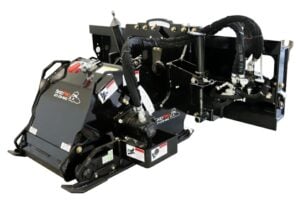
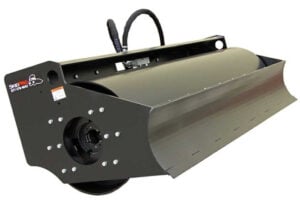
Skid Pro skid steer attachments are best for owners who want manufacturer-direct selection help rather than choosing by attachment name alone. The company manufactures attachments and provides access to live Product Gurus; the final decision still requires the exact model’s specifications.
Ask Skid Pro to review your loader model, hydraulic specifications, surface, obstacles, and snow destination. Request confirmation of the blade’s approved application, obstacle protection, and cutting-edge configuration before ordering.
Do not treat manufacturer-direct support as a substitute for that check. A recommendation is useful when it identifies the correct configuration and its limitations, not when it promises universal compatibility.
Check your blade and machine fit
Review your loader, hydraulics, surface, and snow-clearing job before choosing an attachment.
A skid steer dozer blade is worth it when windrowing fits your site and the exact attachment is approved and configured for the job. Verify machine fit, hydraulics, obstacle protection, and surface-contact equipment before using it.
Do not assume a skid steer dozer blade needs high-flow hydraulics. Match the exact attachment’s published GPM, pressure, connections, and control requirements to your loader.
Do not assume a rigid dozer blade is suitable for plowing pavement. Confirm approved use, obstacle protection, cutting-edge requirements, and operating instructions for that specific blade.
A snow pusher is better suited to contained pushes toward a pile, while an angling blade suits windrowing toward an available discharge side. Your site layout and snow destination determine which method fits.
No, a skid steer blade is not automatically compatible with every track loader. Check the machine interface, hydraulic flow, pressure, attachment weight, controls, and application.
Send Skid Pro your loader model, auxiliary hydraulic specifications, and a description of the job. Include the surface, known obstacles, discharge space, and any grading work the attachment must also perform.
The snow’s final location can matter more than the blade you start with. A suitable blade still leaves you with another handling job if its windrow blocks access or consumes the space needed for the next storm.
Before committing to a 2026 snow setup, walk the route and identify both the discharge area and the backup pile location. If neither works, change the clearing method before buying a wider blade.