
Installing a skid steer attachment takes as long as it takes to secure the mount, connect any required hydraulics or controls, and complete the manufacturer’s safety checks. A bucket change and the first installation of a hydraulic attachment are different jobs, so a single minute estimate is not a useful planning rule. Count installation as complete when the attachment is secured and checked—not when the mounting plate first engages.
Installation time depends on whether you are making a routine attachment change or setting up an unfamiliar attachment. A matching mounting interface is only the starting point. Hydraulic requirements, electrical controls, attachment weight, and the machine’s operating limits also determine whether the attachment is ready to work.
For manufacturer-direct guidance on skid steer attachments, Skid Pro provides access to live Product Gurus. Have the machine model and the attachment’s specifications ready; a brand name alone does not establish fit.
Use this sequence to define the installation job in 2026:
These are checkpoints, not a substitute for either manual. Some attachments require additional supports, connections, or setup steps.
A fast hookup is not the same as a finished installation. An attachment can appear seated while its locking mechanism remains incompletely engaged, and connected hoses do not establish that the machine supplies the correct hydraulic conditions.
For your 2026 job planning, separate mounting time from ready-to-work time. The first ends when the attachment is mechanically secured; the second includes the required connections, setup, inspection, and functional checks.
That distinction matters when scheduling an attachment change during a job. If you plan only for approaching the attachment and engaging the plate, you leave the remaining work out of the schedule.
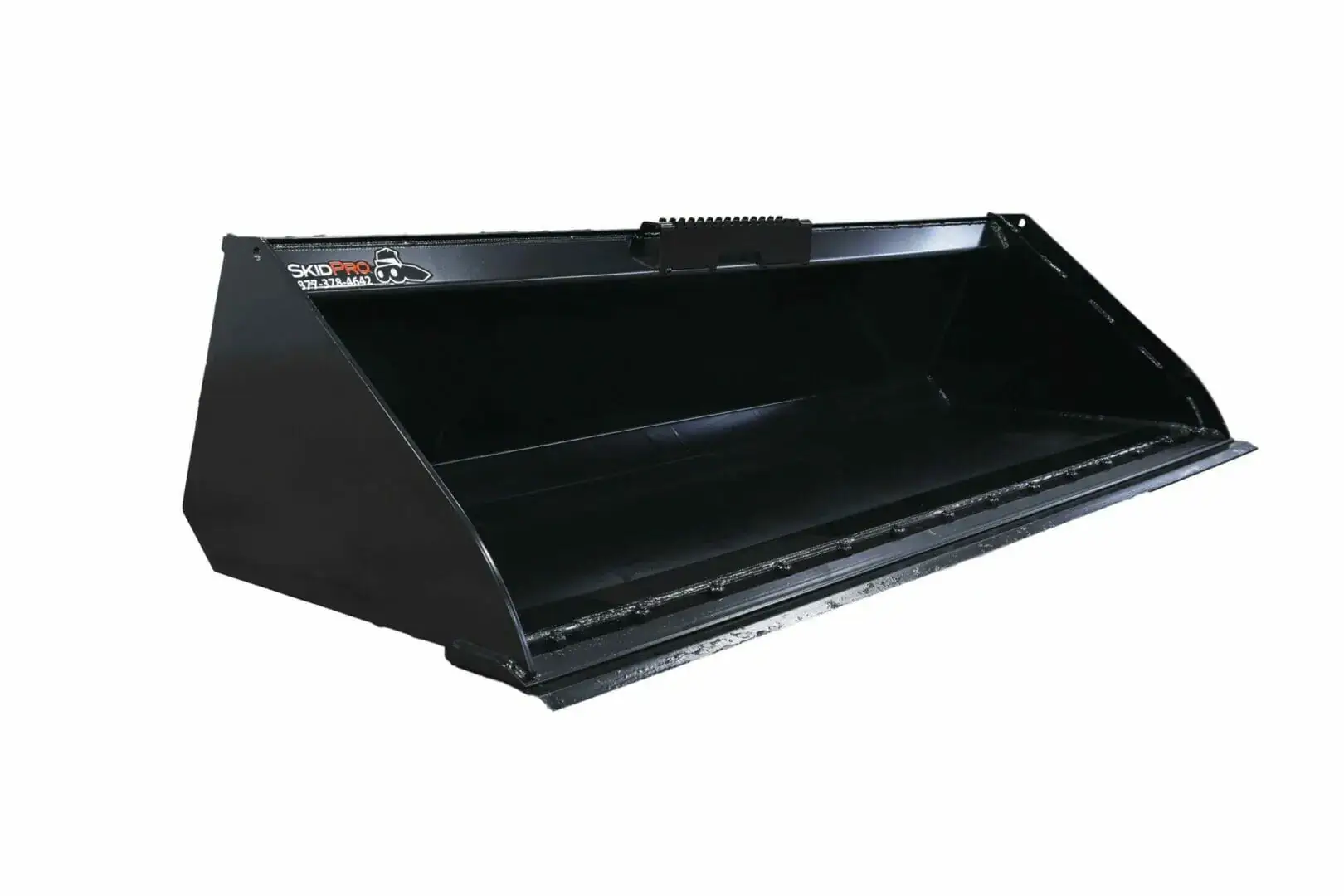
A nonpowered bucket or fork attachment does not require auxiliary hydraulics to perform its basic function. That removes the hydraulic connection stage, but it does not remove the need to check mounting fit, locking engagement, attachment weight, and operating limits.
Best for straightforward hookup: a compatible attachment without auxiliary service connections. Its practical advantage is a shorter connection checklist. Its limitation is equally important: simple hookup does not make every size, weight, or load suitable for your machine.
The table compares installation tasks, not measured installation times. Individual attachments can have requirements beyond those shown.
| Attachment setup | Best for | Installation advantage | Additional work or limitation |
|---|---|---|---|
| Nonpowered bucket or forks | Material handling without powered attachment functions | No auxiliary hydraulic hookup for the basic function | Mounting engagement, weight, load limits, and clearance still need checking |
| Hydraulic attachment | Jobs requiring a powered attachment function | Uses the machine’s auxiliary hydraulic system when properly matched | Requires hydraulic specification checks, service connections, and hose inspection |
| Attachment with electrical controls | Jobs requiring attachment control functions through an electrical connection | Provides the specified control functions when correctly matched | Requires compatible electrical connections and a control-function check |
| Attachment requiring an adapter or custom mount | A machine interface that differs from the attachment’s mounting arrangement | Provides an engineered mounting solution where specified | Adds fit, geometry, weight, and approval checks before operation |
Do not treat the first row as a promise of immediate operation. A damaged latch, obstructed mounting surface, or incorrect attachment match still stops the installation.
A grapple, auger, trencher, or other powered attachment adds hydraulic requirements to the mounting task. Before connecting it, compare the attachment’s specified flow in gallons per minute, operating pressure, and any additional hydraulic requirements with the machine’s published specifications.
Matching couplers does not prove hydraulic compatibility. A connection that physically fits does not establish that the flow, pressure, return arrangement, or control setup is correct.
For a hydraulic attachment installation in 2026, distinguish between an attachment you have already verified on that machine and an unfamiliar combination. A repeat change still requires inspection; an unfamiliar combination also needs specification verification before hookup proceeds.
Check these items in the applicable manuals:
Do not force a hydraulic coupling or improvise a method for releasing pressure. Follow the machine and attachment manufacturers’ procedures, and obtain qualified help when the connection does not behave as specified.
The useful question is not simply whether an attachment mounts quickly. It is whether anything remains unresolved between mechanical engagement and safe operation.
These factors determine the work involved:
Resolve fit questions before the attachment reaches the jobsite. Waiting until hookup to identify a missing connection or incompatible requirement turns a planned change into a troubleshooting task.
Prepare the machine information, attachment information, and work area before approaching the mounting plate. This separates compatibility research from hands-on installation and gives you a clear stopping point if something does not match.
Use the exact machine model and its applicable manual. Confirm the mounting arrangement, auxiliary hydraulic specifications, attachment restrictions, and relevant operating limits; do not infer them from the machine’s brand or appearance.
Identify the exact attachment and its required connections. Check the mounting interface, attachment weight, hydraulic requirements, electrical requirements, and any setup instructions specific to that attachment.
Choose the surface and positioning specified by the manuals. Keep people clear of the coupling area, and do not stand between the machine and an unsecured attachment.
Inspect the mounting and locking components as directed. Check hydraulic connections for contamination or damage before connecting them, and address defects rather than trying to overcome them with force.
Locate the machine’s attachment-release, auxiliary hydraulic, and shutdown instructions before you need them. Familiarity with one loader does not replace the operating procedure for another.
Solo installation is appropriate only when the machine and attachment instructions permit the procedure and you can complete every required check safely. Do not assume that a powered quick-attach mechanism eliminates the need to verify locking engagement or connect auxiliary services.
Stop if a required inspection or connection cannot be completed from a safe position. Use qualified assistance where the procedure requires it; never use another person to guide alignment from between the machine and attachment.
A helper does not correct incompatible equipment. Mounting fit, hydraulic requirements, weight, and controls still need verification.
A powered quick attach operates the mounting system’s locking mechanism; it does not complete every task needed for every attachment. Hydraulic hoses, electrical connections, setup requirements, and inspection remain separate where applicable.
For a 2026 attachment purchase, ask exactly which tasks the machine’s coupling system performs. Do not assume that a powered mounting latch also connects auxiliary services.
The practical benefit is reduced manual operation of the locking mechanism. The limitation is that the operator must still confirm proper engagement using the machine manufacturer’s prescribed checks.
Stop and identify which part of the installation has failed: mounting engagement, locking, hydraulic connection, electrical connection, or functional operation. Each has a different inspection procedure, and forcing the next step hides rather than resolves the problem.
If the plate will not seat or the locks will not engage, follow the mounting-system inspection procedure. If a hydraulic connection resists engagement, follow the approved pressure-relief and connection instructions; do not loosen fittings as an improvised shortcut.
If the attachment mounts but does not operate correctly, stop operation and check the specified connections and settings. Do not continue cycling an unfamiliar attachment to see whether the problem clears.
Ask before installation when the machine-to-attachment match is unclear, a required specification is missing, or the instructions call for a connection your machine does not have. Manufacturer guidance is also appropriate when a custom mount or adapter is involved.
Skid Pro is best for skid steer attachment buyers who want manufacturer-direct fit guidance before ordering. Its Product Gurus are available 24/7. That access supports the buying and setup process, but it does not replace the machine manual or establish universal compatibility.
Provide the exact machine model, attachment model, mounting arrangement, and published hydraulic specifications. A precise question about a documented mismatch is more useful than asking whether an attachment fits an entire machine brand.
Installation time depends on the mounting system, required connections, equipment condition, and safety checks. Treat the job as complete only after the attachment is secured, connected as required, and checked according to the applicable manuals.
A nonpowered bucket has fewer connection tasks because its basic function does not require auxiliary hydraulics. Actual installation time still depends on mounting fit, condition, and the required inspections.
Do not assume that all skid steer attachments use the same mount. Verify the exact machine interface and attachment mounting requirements, including any specified adapter or custom mount.
Follow the machine and attachment manufacturers’ shutdown and hydraulic pressure-relief procedures before handling hydraulic connections. Do not improvise a connection procedure or assume that shutting off the engine has relieved all trapped pressure.
High flow describes hydraulic capability, not installation speed. The attachment must match the machine’s specified hydraulic conditions, and the required connection and inspection steps still apply.
Locking the mounting plate does not establish that the attachment is ready to operate. Confirm engagement, complete any required service connections, and perform the prescribed inspections and functional checks.
Have the exact machine model, attachment model, mounting arrangement, hydraulic specifications, and required control connections ready. Include attachment weight and the intended job so the fit discussion covers operating suitability as well as physical mounting.
For your next attachment change in 2026, record the verified machine-and-attachment pairing alongside the applicable setup instructions. Keep unresolved questions separate from completed checks so nobody mistakes a previous successful hookup for approval of a different configuration.
The useful finish line is readiness to work, not first contact with the mounting plate. Plan the change around that standard, and stop whenever a required check fails.