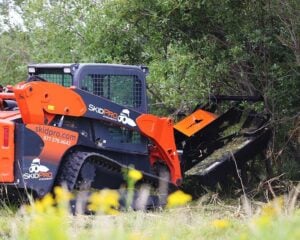

A skid steer is only as productive as the attachment you put on it. Whether you’re digging, grading, clearing brush, lifting pallets, or removing snow, choosing the right attachment helps you work faster, reduces wear on your machine, and saves money over the long run.
The challenge is that not every attachment fits every skid steer or every job. Factors like hydraulic flow, lift capacity, attachment weight, and build quality all affect performance.
This guide walks you through the seven most important things to consider before buying a skid steer attachment, helping you make a confident purchase.
Before buying a skid steer attachment, make sure it:
Checking these six factors before you buy can help you avoid costly mistakes and get the best performance from your equipment.
Does it fit my skid steer?
Is my hydraulic flow sufficient?
Is it the right attachment for the job?
Is the attachment weight within my machine’s limits?
Is it built for commercial or residential use?
Does it include warranty and replacement parts?
Start by identifying the work you need to complete.
Different attachments are designed for specific applications, and using the correct one improves productivity while reducing unnecessary wear.
| Job | Best Attachment |
| Moving dirt or gravel | Bucket |
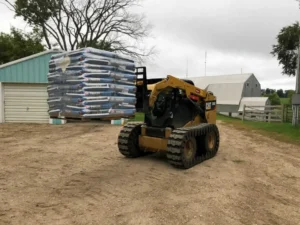
| Lifting pallets | Pallet Forks |
| Digging post holes | Auger |
| Clearing brush | Grapple Bucket |
| Heavy vegetation | Brush Cutter |
| Grading | Land Plane |
| Digging trenches | Trencher |
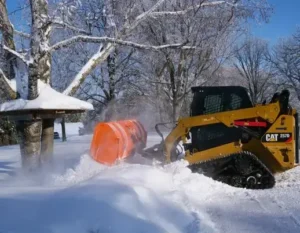
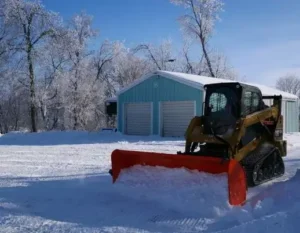
| Snow removal | Snow Blade or Snow Pusher |
Pro Tip: Buying an attachment designed for your primary application usually delivers better results than choosing a general-purpose attachment for every task.
Compatibility goes beyond the mounting plate.
Before ordering, check:
| What to Verify | Why It Matters |
| Machine make & model | Confirms compatibility |
| Universal quick attach | Ensures proper mounting |
| Rated Operating Capacity (ROC) | Prevents overloading |
| Lift capacity | Supports safe operation |
| Attachment weight | Protects machine stability |
Skid Pro Insight
One of the most common questions our team receives is whether an attachment will fit a specific skid steer model. In many cases, the mounting system is compatible, but the machine’s lift capacity or hydraulic flow isn’t. Verifying these specifications before ordering can help prevent delays and unnecessary returns.
Powered attachments rely on your skid steer’s hydraulic system.
If your machine doesn’t provide enough hydraulic flow, the attachment may not perform as expected.
| Hydraulic System | Common Attachments |
| Standard Flow | Buckets, Grapples, Pallet Forks, Many Augers |
| High Flow | Forestry Mulchers, Heavy-Duty Brush Cutters, Cold Planers, Some Snow Blowers |
Common Mistake
Many buyers check whether an attachment will mount to their skid steer but forget to verify hydraulic flow. Always compare your machine’s GPM with the attachment’s recommended requirements before purchasing.
Price matters, but long-term value matters more.
Look for:
A quality attachment often lasts longer, performs better, and requires less maintenance.
Pro Tip: If you use your skid steer every day, investing in a commercial-grade attachment can reduce repair costs over time.
The right attachment depends on where you’ll use it.
| Industry | Recommended Attachments |
| Construction | Buckets, Breakers, Trenchers |
| Landscaping | Grapples, Land Planes, Landscape Rakes |
| Agriculture | Bale Spears, Buckets, Manure Forks |
| Forestry | Forestry Mulchers, Brush Cutters, Root Grapples |
| Snow Removal | Snow Pushers, Snow Blades, Snow Blowers |
Choosing an attachment built for your environment improves both efficiency and durability.
Many purchasing problems are easy to avoid.
Watch out for these mistakes:
Taking a few extra minutes to review specifications can save significant time and money later.
A knowledgeable supplier does more than sell equipment.
They should help you:
Skid Pro Insight
Based on the questions we receive, many buyers simply want confidence that they’re choosing the right attachment for their machine and application. Taking time to confirm compatibility before ordering can help avoid downtime and ensure the attachment performs as expected from day one.
Are skid steer attachments universal?
Most modern skid steer loaders use a universal quick attach system. However, hydraulic requirements, lift capacity, and attachment weight should always be verified before purchasing.
What is the most versatile skid steer attachment?
A general-purpose bucket is one of the most versatile attachments. Pallet forks and grapple buckets are also popular choices because they can handle a wide range of tasks.
Can I use a high-flow attachment on a standard-flow skid steer?
No. High-flow attachments require more hydraulic output than standard-flow machines are designed to provide.
Should I buy a new or used attachment?
New attachments include a manufacturer’s warranty and full service life. Used attachments can offer good value if they are properly maintained and inspected for wear.
Choosing the right skid steer attachment starts with understanding your machine, your workload, and the conditions you’ll be working in. By checking compatibility, hydraulic flow, lift capacity, and build quality before you buy, you can avoid costly mistakes and get the most from your equipment.
Whether you’re working on a construction site, managing a farm, maintaining landscapes, or clearing property, selecting the right attachment helps you work more efficiently and protects your investment for years to come.
Call one of our Product Gurus for more information & special promotions!

Click a category to see products
